
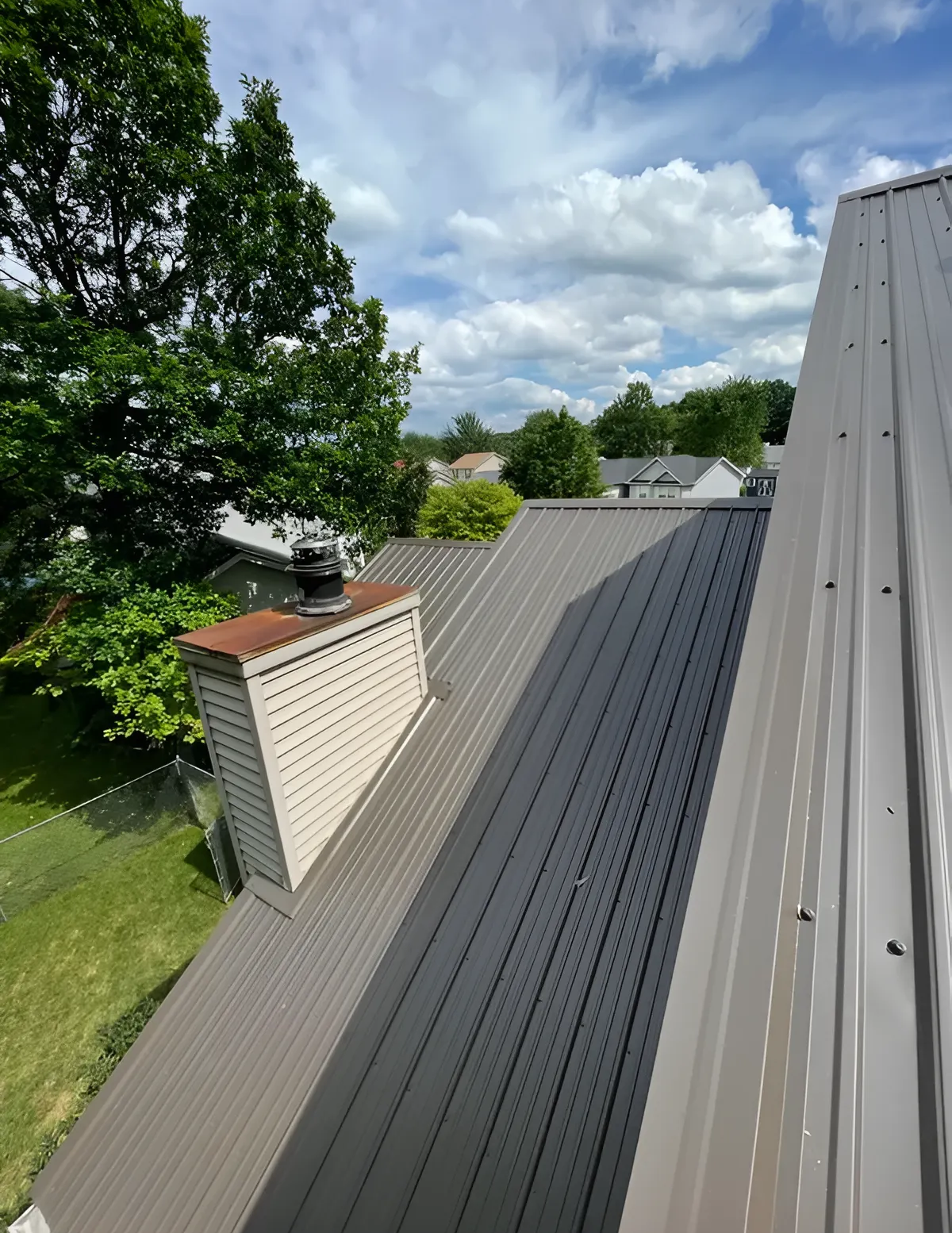
Roofs Engineered for Decades of Exposure
Roof Installation in Rochester and throughout Southeast Michigan for new construction and complete tear-off replacements requiring long-term weather resistance
A roof replacement becomes necessary when shingle granule loss exposes the asphalt mat beneath, when multiple leak points indicate widespread underlayment failure, or when missing shingles after storms signal that adhesive strips have aged past effective bonding strength. Platinum Exteriors LLC installs complete roofing systems in Rochester, Rochester Hills, Shelby Township and surrounding areas in Southeastern Michigan for both new builds and full tear-off replacements, using asphalt or metal roofing selected based on building design, budget parameters, and expected service life. What separates functional roof installation from premature failure is the integration of components beneath the visible surface layer—synthetic underlayment that resists water even when shingles lift, ventilation that balances attic temperature to prevent ice dams, and flashing that seals every transition where roof planes meet walls or penetrations.
Michigan weather subjects roofs to snow loads exceeding thirty pounds per square foot, wind gusts that create uplift pressure at roof edges and ridges, and summer heat that accelerates shingle aging when attic ventilation fails to exhaust trapped air. Installation methods account for these forces by using proper fastener patterns that exceed minimum code requirements in high-wind zones, installing ice-and-water barrier at eaves and valleys where ice dams concentrate, and ensuring ridge vents provide adequate exhaust area matched to soffit intake.
Request a roof inspection to determine whether repairs can extend current roof life or whether full replacement better addresses underlying system failures.
What Proper Roof Installation Requires
Tear-off removes existing shingles down to roof decking, exposing any rot or structural damage that needs repair before new roofing installs. Decking inspection identifies soft spots indicating water intrusion, checks fastener withdrawal where decking has delaminated, and verifies adequate ventilation pathways exist from soffit intake to ridge exhaust. Underlayment installs in overlapping courses with sealed seams, providing secondary water protection that keeps interiors dry even if shingles crack or blow off during storms.
After installation completes, your roof sheds water without leaks at valleys or penetrations, attic temperatures stay closer to outdoor ambient conditions because ventilation exhausts heat buildup, and shingles remain flat without lifting at edges during wind events. Ice dams stop forming at eaves because balanced ventilation prevents snowmelt-refreeze cycles, and flashing at chimneys or skylights channels water around rather than behind these interruptions. These changes mean ceiling stains from leaks disappear, insulation stays dry and effective, and energy costs drop because HVAC systems aren't compensating for attic heat gain.
Insurance adjuster coordination streamlines claims when storm damage requires full replacement, including documentation of wind or hail impact patterns, material specification matching for coverage approval, and supplemental estimates when concealed decking damage appears during tear-off. This process ensures claims reflect actual replacement costs rather than initial estimates that miss hidden failures.
Roof installation decisions involve understanding material performance differences, installation timelines, and how underlying components affect visible shingle longevity.
Answers to Frequent Service Questions
What determines whether asphalt or metal roofing makes sense for a property?
Asphalt shingles cost less initially and suit most residential roof pitches, while metal roofing lasts fifty-plus years with minimal maintenance, sheds snow more effectively, and works well on lower slopes where water drainage speed matters more than with steep-pitch roofs.
How long does a complete roof installation take?
Tear-off and installation for a typical single-family home in Rochester and across Southeast Michigan takes two to four days depending on roof complexity, weather conditions, and whether decking repairs extend the timeline beyond shingle replacement alone.
What happens if rain occurs during installation?
Underlayment provides immediate water protection once installed, and work pauses during active precipitation to prevent moisture trapping between layers, with temporary tarps covering any exposed decking if multi-day weather delays occur.
Why does ventilation matter as much as the shingles themselves?
Inadequate ventilation traps attic heat that ages shingles from beneath, voids manufacturer warranties in many cases, and creates ice dams during winter when warm attic air melts roof snow that refreezes at unheated eaves.
How does working with insurance adjusters affect the installation process?
Adjuster coordination includes on-site inspections before tear-off to document damage, material matching to existing roof components for partial replacements, and supplemental claims when additional damage appears once old roofing removes, ensuring full repair costs receive coverage consideration.
Platinum Exteriors LLC matches roofing systems to building requirements and weather exposure patterns specific to Michigan conditions. Schedule an estimate to review how your property's roof pitch, ventilation, and current condition affect material options and installation methods.